| Category | Subcategory | End of Alzheimer’s Tests (2017) | Potential additions in 2021 |
| Genetics | ApoE4 (gene most associated with amyloid) | Full genomics testing | |
| Cognitive Performance | Cognitive performance measured by CNSVital Signs, Brain HQ, MOCA (Montreal Cognitive Assessment) | ||
| Imaging | MRI that includes NeuroQuant Volumetrics to measure individual brain anatomy | Consider Qualitative EEG if patients want to get a functional baselineConsider PET scan to document amyloid | |
| Type I | Inflammation | Hs-CRP (cardiac reactive protein), Albumin: Globulin ratio, Homocysteine, Glutathione | Organic Acids Testing if any metabolic issues |
| Microbiome | Measure the gut and nasal microbiome | Genova Gi-Effects / Vibrant Gut ZoomerPeriopath for oral microbiome | |
| Type 1.5 | Glucose metabolism | Insulin, Hemoglobin A1C, glucose, BMI (body mass index) | InBody Visceral Fat index |
| Type 2 | Fatty Acids | Omega 3:6 | Omega 9 / NutrEval if there are CIRS / toxins |
| B Vitamins | Vitamins B1, B6, B12, Folate, Homocysteine | ||
| Other Vitamins | Vitamins C, 25OH D3, E | ||
| Hormones | Estradiol, progesterone, pregnenolone, testosterone, free testosterone, DHEA, Free T4, Free T3, TSH, rT3 | DUTCH testing if bioidentical hormones are an issue | |
| Type 3 | Biotoxins / CIRS | C4a (complement 4a), TGFB1 (Trans Growth factor beta 1) , MSH (melanocyte stimulating hormone) HLA DRDQ (genetic test) Home based EMRI testing | MMP9 (matrix metalloproteinase 9), VEGF (vascular endothelial growth factor)Eliminate HLA-DRDQ if cost issueTest for specific biotoxins – Vibrant Tick Borne Disease panelHome based Actinomyces / Endotoxin testing by an Indoor Environmental Professional if mold is suspectedGENIE transcriptomics test if significant nuclear atrophy |
| Metals, Minerals, Chemicals | Mercury, Lead, Arsenic, Cadmium, Copper, Zinc, Magnesium, Selenium, Potassium, Calcium | Quicksilver Whole Metals, follow-up TriTest if Mercury positiveChemical toxins by Great Plains Lab or Vibrant Iron studies – Fe, TIBC, Ferritin -if there are any signs of inflammation | |
| Type IV | Lipids | Lipoproteins, LDL-Ox, Lipid Panel | |
| Type V | Cyrex panels | Cyrex 20, 2, 5 |
Reversing Cognitive Decline

For patients and clinicians alike, cognitive decline can be one of the most devastating of all diagnoses. The narrative of experiencing and witnessing prolonged mental deterioration can have patients and their families feeling as though a cruel sentence has been imposed. Physicians and patients have been frustrated for decades on the slow progress in the field. Alzheimer’s is the third leading cause of death in the US. Most patients who go to the neurologist today find that they are given primarily a pharmaceutical option — “Take Aricept or Namenda” — the 2 leading drugs for Alzheimer’s both of which can improve symptoms for a few months but do not change the outcome of the disease.
Enter Dr. Dale Bredesen, whose publication “The End of Alzheimer’s: The First Program to Prevent and Reverse Cognitive Decline,” was released in August 2017. The ambitious book became an immediate New York Times best seller, promoting a global conversation away from looking for the next “miracle drug,” to addressing the root causes of cognitive decline through lifestyle changes and medical interventions.
The area of reversing cognitive decline has been moving rapidly since then. Organizations such as the World Health Organization (in 2019) and the Alzheimer’s Association (in 2020) have endorsed the notion of the prevention of cognitive decline, which heretofore was heresy in conventional medicine. Other researchers such as Dr. Richard Isaacson of New York Presbyterian have initiated multi-institutional NIH sponsored trials of prevention of cognitive decline through a precision medicine approach, after a multi-year effort to get it approved by the institutional review board. And further peer-reviewed research is gathering to support that a multi-modal approach will likely be the best approach to both prevent and reverse cognitive decline.
Trying to sort through the best resources to learn about this approach is not straightforward for people who want to learn more. I am an active participant in the Bredesen Brain Board which is a mastermind group between Dr. Bredesen and a dozen leading clinicians actively involved in brain health. We meet regularly to problem solve and to share the latest insights in this fast-moving field. To try to make this easier for consumers, I have put together a synthesis of practical resources that can serve as a good introduction to this area.
The End of Alzheimers (2017) by Dale Bredesen, MD
Given that this book is four years old and has not had direct revisions, we recommend that the average consumer read this book after reading End of Alzheimer’s program and focus on three major concepts.
Why is Alzheimer’s likely to be caused by multiple different root causes? The primary focus of Big Pharma’s Alzheimer’s research over the last 3 decades has been to stop the production of amyloid. This research has been an abject failure with dozens of failed drugs. Dr. Bredesen’s NIH sponsored lab research focused on amyloid precursor protein as a critical signaling protein in the etiology of Alzheimer’s. When things in the brain are good, APP signals growth and helps the brain make the very connections that are needed for memories and overall cognition. When things in the brain are bad, APP gets cleaved at a different site and this results in the production of amyloid and signals for the brain to reduce connections or synapses. Dr. Bredesen’s critical insight is that focusing on the root causes that cause APP to fire in a bad way is a better way to improve brain functioning than focusing on amyloid itself. There are a limited set of those root causes (25-50) all of which have been documented in peer-reviewed scientific research.
Dr. Bredesen articulates six different categories of the root causes of Alzheimer’s. Most patients have more than one category of root cause and there are dozens of biomarkers that can be tested. These categories include:
- Type 1 Inflammation: there are elevated markers of chronic inflammation such as tumor necrosis factor alpha and cardiac reactive protein
- Type 1.5 Glycotoxic: there is evidence of insulin resistance or high glucose
- Type 2 Atrophic: there is evidence of hormone deficiencies such as sex, adrenal, nutrient deficiencies such as folate, B12 or insufficient oxygen at night from sleep apnea.
- Type 3 Toxic: there is evidence of higher levels of chronic toxins including mold, indoor / outdoor air pollutants, chemicals, metals and/or chronic infections including herpesviruses and tick borne infections
- Type 4 Vascular: there is evidence of strokes, vascular disease or mini strokes at the capillary level caused by hypercoagulation
- Type 5 Traumatic Brain Injury: there is evidence of prior traumatic brain injury often from previously unappreciated major or mini-concussions which result in wounds that do not heal well
The specific diagnostic tests to determine the contributors to Alzheimer’s have evolved since the publication of the first book. I have put together a summary of the most relevant tests that can be done today building from the initial list in this book. Because there are multiple root causes that can result in cognitive decline — a precision medicine, targeted, programmatic approach is necessary. “One size fits all” will not create the best improvements. Consumers should review the End of Alzheimer’s program to understand the exact treatments and interventions for a brain health program.
The End of Alzheimer’s Program (2020) by Dale Bredesen, MD
Even though this is Dr. Bredesen’s second book, I think that most people should read it first as it focuses on how to implement a brain health program. I discussed this program with Dale in a recent podcast. Rather than making the scientific case for the program, in his second book Dale and his co-authors focus on helping patients with a highly practical overview of how to implement the fundamentals of the program including:
- Exercise: Being active is the single most important strategy that you can employ and remediate cognitive decline as exercise translates into mitochondrial health, which drives the energy of the brain as well as improved blood flow to the brain.
- Foods to include: Non-starchy vegetables and healthy fats should be eaten freely. Coffee has neuroprotective effects, especially if it is low in mycotoxins. Animal proteins should be sourced from high quality sources and fruit should be had sparingly. The program emphasizes getting into mild ketosis (levels of 1.0 – 4.0 mmol/L)
- Foods to avoid include simple carbohydrates, elimination of all grains (with some exceptions), conventional dairy, vegetable oils
- Foods to use sparingly: Specific guidance is given on how to manage sweeteners, alcohol, chocolate
- Intermittent fasting: Goals are to fast for at least three to four hours prior to going to bed and to fast for at least 12 hours between dinner and breakfast.
- Quality sleep is critical as it helps the brain to “empty the trash” and remove amyloid through the glymphatic system as well as promotes autophagy which helps the brain to detoxify.
- Healing the gut is important including addressing intestinal permeability, dysbiosis, h pylori and improving the microbiome. Prebiotics, resistant starch and probiotics are vital for gut health.
- Brain stimulation: It iis critical that patients adopt new habits to help the brain grow new neurons is a concept called neuroplasticity. This can be done through a variety of means but the outcomes we are shooting for are increased social connectedness, lifelong learning, and new types of learning and ideas. Lower stress is important as well.
- Dental health is vital, as pathogens from periodontal and root canal infections have a short way to travel to get into the brain. Mercury from amalgams is another culprit. Evaluation with a biologic dentist is important if there are issues.
- Minimizing toxin exposure: A variety of strategies to reduce ongoing exposure to toxins including chemicals, mold and heavy metals are discussed.
- Address chronic infections and optimize the microbiome. Data from Taiwan shows a 90% reduction in Alzheimer’s when patients were treated for active herpes infections, a finding which highlights the importance of the microbiome and chronic infections. Other infections such as tick-borne infections can play an important role.
- Supplement support depending on the issues found in diagnosis. Many patients got over focused on the supplement program in Dr. Bredesen’s first book. In this book he divides supplement supports into the issues addresses and there is a message of not having a one size fit all program but fitting the supplements as an important but not dominant part of the protocol
Dale and his co-authors also discuss several critical lessons learned from implementation of the protocol including:
- The earlier you start the protocol, the more likely you are to have a positive outcome and complete response
- The protocol is likely to enhance cognitive ability at any age; however, if cases are highly advanced with a great deal of brain atrophy the potential for significant reversal is limited
- A reasonable time frame to expect changes is six months. The first thing that happens is that patients stop declining ; once they hit a tipping point reversal of cognitive decline can happen. It is difficult to predict how much improvement can occur.
- The #1 cause of lack of success with the protocol is not following it correctly. Patients will benefit from health coaching and joining a support / implementation group.
- The #2 cause of lack of success with the protocol are having toxins as a major contributor to cognitive decline. In these cases, patients will benefit in having an experienced practitioner who is trained in CIRS and understands how to create a personalized detoxification program
The Wahls Protocol (2020) by Terry Wahls, MD
There are a variety of different approaches to nutrition and brain health. Very few of them have had rigorous research in human clinical trials.
When Terry Wahls first came out in 2014 with her TED talk (over initial book on the Wahls Protocol, the National Multiple Sclerosis society banned her from speaking at their conference. 3 years later, they became an avid sponsor of her research. In the past five years, there have been 15 peer reviewed articles in the medical literature on the impact of the Wahls on brain health and autoimmune disease. There are additional clinical trials in the pipeline. Because of this evidence, the Wahls Protocol has been the framework I use to manage brain health and autoimmune conditions.
A good pictorial summary of the protocol highlight the standard paleo diet variant is below:

The Wahls protocol has been recently revised in 2020 and can be done with a paleo or a vegetarian approach. I am certified in the Wahls Protocol and discuss the approach with Terry in a recent podcast. Some of the key concepts and insights on implementing the protocol from the podcast, book and her class include:
- 9 cups of vegetables & berries a day is the foundation of the program. 3 cups of leafy greens, 3 cups of deeply colored vegetables / berries and 3 cups of sulfur rich vegetables. It takes a while for most people to get the hang of this. When Terry was trying to detoxify she went up to 15 cups a day.
- Whenever possible consider the quality of your food sources: organic produce, grass-fed meat, free-range poultry, and wild-caught seafood. Getting high variety of high-quality foods will create more nutrition than supplementing over a poorer diet
- It is possible to get the benefit of the Wahls protocol even if you don’t have resources. Terry has worked with patients at the VA who are on food stamps that have been able to implement the basic principles on a cost-effective basis and get benefits even if they aren’t getting all organic food. She has also been able to have patients get the benefit of the program without the guidance of advanced functional medicine testing that is often not covered by insurance. As a result the Wahls protocol can be implemented by conventional medicine practitioners without a bump in overall medical costs.
- Remember the foods that needed to be eliminated: gluten, dairy, eggs, artificial sweeteners, processed foods, grains, legumes, soy, potatoes
- Remember the foods that need to be added that usually aren’t a part of diets: organ meats, seaweed, fermented foods.
- Healthy fats are critical – Omega 3s, monounsaturated fats, healthy Omega 6s.
- Eliminate anti-nutrients through proper food preparation: sprouting nuts and seeds, utilizing a slow pressure cooker if you want to eat foods that have lectins.
- It is possible to do Wahls with a paleo or a vegetarian approach, but the vegetarian approach is harder given the degree of food restrictions. Complete proteins and B12 supplementation are a must.
- People need to be motivated to do such a program. They need to do it for 3 months at 100% implementation before saying that there is no improvement. That effort has to come from within and from a higher goal, motivation or purpose. Terry will tell patients routinely to not do the program if they can’t be 100% committed.
Genomics and the Brain (2021)
At this time there is not a good overview book on genomics and brain health. Genomics is the study of common gene variants which combined with environment and behavioral influences can often have substantial effects on health and disease expression. We have put together a podcast with Dr. Sharon Hausman Cohen, the Chief Medical Officer of IntellXX DNA that goes into why genomics can help to optimize brain health. Some of the key principles discussed in that podcast include:
- Genomics testing can identify new treatment options that would not be revealed through biomarker imaging. For example, TCN2 (transcobalamin 2) is a gene for a protein that facilitates transportation of Vitamin B12 into the cell, particularly in the brain and spinal fluid. If patients have a double variant, they can have B12 deficiency in the brain and have normal B12 blood levels. These patients often benefit dramatically from a trial of injectable B12. If responsive they continue on ongoing treatment.
- Genomics can also help to identify risks that can be avoided, such as BCHE (Butyrylcholinesterase). If patients have this gene and ApoE4 (Apolipoprotein E4) gene they should not be put on Aricept (Donepezil hydrochloride). Papers out of UCLA show that there is faster decline in memory for individuals with two variants and even steeper decline in individuals with one variant. This is likely due to BCHE’s importance in clearing amyloid fibrils, as cholinesterase inhibitors decrease this activity, which is necessary when baseline activity is already low.
- Genomics can help to quantify risks more precisely. There are additional genes that work “in a network” along with ApoE4. There are both genes that can LOWER risk and INCREASE risk. As a result, the margin for late onset Alzheimer’s can be more precisely measured if one knows all of the genes connected with ApoE4.
Finally, Genomics can permit treatment to be more precise and eliminate unnecessary treatment. Once a patient has responded to the protocol, we will often simplify their regimen using the genomics data to help us.
Toxic (2018) by Neil Nathan, MD
Being exposed to toxins – mold, indoor air pollutants, chemicals, heavy metals, or other chronic infections – is the biggest medical reason why patients do not get better on the Recode protocol according to Dr. Bredesen. He is finding that 50% of patients with cognitive decline have toxins as a major contributor on a national basis. Toxic is a very good and recent overview by Dr. Neil Nathan of the impact of environmental toxins, chemical sensitivities, and chronic infections on health and how to manage it.
One of the overarching insights from this book is that to heal from toxins, often biologic systems needed to be “rebooted.” Simply removing toxins or treating the underlying infection may not reverse the damage that is done. This may be due to “The Cell Danger Response” which is a concept developed by Dr. Robert Naviaux at University of California, San Diego who has collaborated with Dr. Nathan. The Cell Danger Response encompasses the evolutionary conserved, coordinated set of metabolic, gene expression, cellular, autonomic, neuroendocrine, immune, microbiome, GI, and behavioral changes that occur when cells are injured. Cells can get stuck in a metabolic state from which they can’t recover. For example, Dr. Naviaux has done recent research with ME / CFS patients showing there is a distinct metabolomic signature consistent with hypometabolism, no matter what the triggering event was.
The key question then becomes how can patients heal from toxins? While development of therapies based on the cell danger response are still underway, Dr. Nathan has very practical insights on the sequence of therapies that are needed to reboot the system. Often the first system that needs to be addressed is “limbic system activation” where the patient’s “fight or flight” system is constantly activated. Whether this is because of past or present psychological trauma, there are a number of effective strategies to do this ranging from Dynamic Neural Retraining System (DNRS) to cold therapy (ice baths) to EMDR (eye movement desensitization response). Often the next system that needs to be addressed is mast cell activation, where patients have high levels of histamine due to toxins. Then underlying issues of inflammation have to be addressed. And so on.
In the case of older patients with cognitive decline with toxin exposures, often they have the similar blood markers as younger patients but they have less physical symptoms – rather the neurologic symptoms dominate. In these cases, removal from offending exposures is critical and often patients need to move out of buildings where mold has been uncovered.
Reversal of Alzheimer’s: 100 patients (2018)
This is the most recent publication of the results of the Bredesen protocol. It describes the outcome of 100 patients treated with a programmatic protocol in multiple practices in the United States including Rezilir Health. The range of improvement on MOCA testing was between 3 and 15 points.
What’s Next on the Horizon
The next step of testing of the Bredesen protocol is an IRB sponsored trial in Northern California of 30 patients that has in-depth testing and outcomes measurements. The trial has finished in late 2020 and results should be published by the end of 2021.
There has been funding for a randomized trial of the Bredesen protocol building off the lessons learned from IRB in multiple sites (potentially Northern California, Cleveland, Miami and others) scheduled for 2022.
Currently, over 1500 physicians from ten different countries and all over the US have already learned the protocol and are using it with their patients. It is important to work with a combination of a physician and a health coach that are both experienced in the protocol (e.g. doing it more than 50% of their time) if you want to get the best results. A list of those physicians can be found at apollohealthco.com. If you have any practical questions on questions, just send an email to info@rezilirhealth.com and we will get back to you.
Why am I still sick long after getting covid?
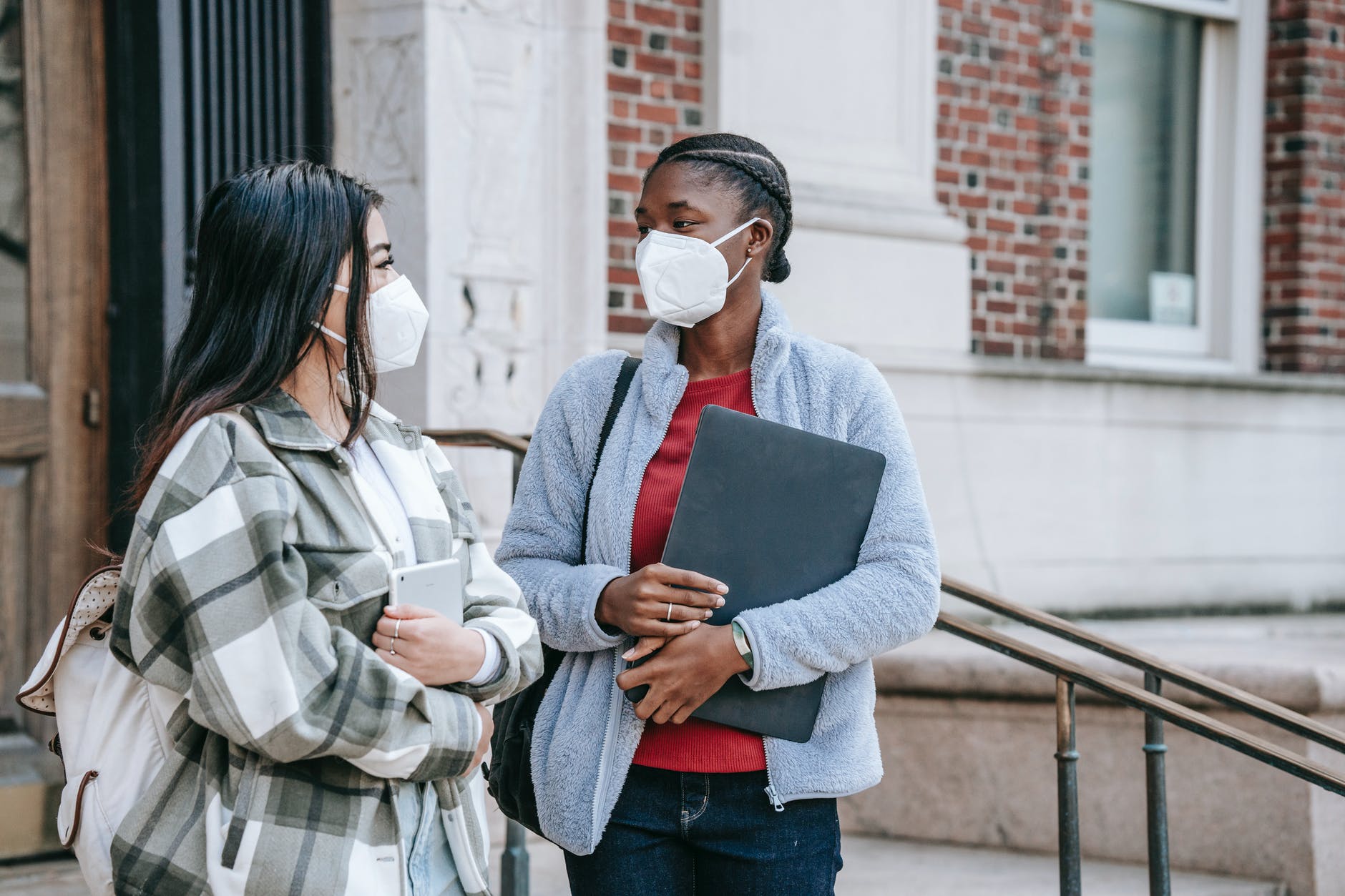
This is a question that I am asked more frequently by patients, friends and colleagues as we go into the second year of the Covid pandemic. Not surprising, since more than 100 million people will be asking themselves this question over the next year!
How can that be? Current research estimates at least 1 in 10 people with Covid will have prolonged symptoms that continue more than 6 months. This condition has been called “long Covid.” The CDC estimates that nearly 1 in 4 Americans have had Covid by January and the WHO estimates that more than 1 in 10 people globally have had COVID by last October. These estimates translate to a minimum of 8 million Americans and 100 million people globally that will develop long Covid, with further growth depending on how the pandemic plays out.
Since fall 2020, there have been a number of insightful published studies that give us insights into what people are experiencing. Follow-up data from patients in Wuhan China highlights that if you are sick enough to be hospitalized, you have a 70%+ chance of having significant symptoms six months later. Data published in the Lancet shows:
- Fatigue and post exertional malaise were experienced by more than 70% of people.
- Brain fog, headache and memory were experienced by more than 50% of people.
- Sleeping problems, shortness of breath and palpitations were experienced by more than 40% of people.
These symptoms are remarkably similar to those experienced by patients with myalgic encephalomyelitis / chronic fatigue syndrome (ME/CFS) and patients who have had chronic Lyme / tick-borne disease. As a result, many of the clinical and research insights from those areas should prove to be extremely useful for long Covid patients.
The complication is that those 2 areas have been historically extremely controversial in medicine, with many critics doubting the existence of those conditions and attributing it to psychological issues instead! Patients with both of these conditions have historically experienced significant trauma because their symptoms were not accepted as valid and downplayed by a majority of clinicians. This has started to change… Very slowly. The National Academy of Medicine validated the research behind ME/ CFS in 2015 with a seminal report. Similarly, the Department of Health and Human Services helped to endorse the existence of chronic Lyme in a critical report in 2018.
The research in these 2 areas, along with the initial first wave of research into long Covid shows there are 3 potential mechanisms that could be contributing to symptoms:
Persistent chronic infection – the virus is still active and replicating, although it may be at a level that is difficult to detect. This is a concept proved to be highly controversial in the infectious disease community when it came to Lyme and triggered the so-called “Lyme Wars”, even though animal and human data in the last few years have conclusively demonstrated that infections can persist in humans despite prolonged antibiotics. It will be important that researchers do not bring pre existing biases and downplay this potential mechanism.
Persistent inflammation, autoimmunity that results in tissue destruction in the body including blood vessels and the brain through direct damage or through activation of other mechanisms such as blood clotting. It may be that the viral infection is gone but the body’s response to the prior infection cannot be readily turned off. If there is tissue destruction in the brain, this can create a whole host of unexplained symptoms that can be readily interpreted as psychiatric symptoms. Patients can be told “it is in their head” and indeed it is, but it is through a biologic cause rather than a psychiatric one.
Reactivation of latent or stealth infections. There are multiple infections such as Lyme, Epstein Barr or herpes viruses that can be dormant in the body and when the immune system weakens, they may be reactivated. Determining this potential mechanism requires careful testing and good clinical judgment.
Because of these mechanisms, there are likely to be 3 major categories of treatments that could be helpful to patients with long Covid. They include:
- Treatment of infections both against Covid and any latent or stealth infections.
- Support of the immune system and treatment of potential immune dysregulation and autoimmunity with pharmaceuticals and nutraceuticals.
- Addressing inflammation, autoimmunity and clotting with appropriate interventions.
Proper research in this area will be critical. The US Congress funded more than 1 billion of research for Long Covid in December 2020 and in late February 2021 the National Institutes of Health announced the details on the first wave of research that will be funded including research that will explore how integrative medicine approaches can help.
The ME/CFS experience has also shown us that avoiding setbacks is a critical component of treatment. Many people with post exertional malaise, cannot recover quickly from exertion and exercise because of problems with their mitochondrial metabolism. The best intended episode of over-exertion can lead to “crashing” the next day and potential permanent damage to the mitochondria. Patients need to be taught how to understand their “energy envelope” and to NOT try to exercise their way out of fatigue.
What can you do today if you think you have long Covid? I have 3 practical suggestions:
- See a clinician who has experience and capabilities in fatiguing illnesses, such as ME/CFS or chronic infections such as Lyme and Bartonella. This has not been an area in which most primary care practitioners have had training so seeing a specialized clinic is the answer. Ideally this clinician would be connected to the upcoming NIH cohort studies or other clinical networks on Covid. While there is no FDA approved treatment it does not mean that healing cannot occur with the assistance of appropriate care. If you can’t find someone locally, telehealth is always an option.
- Be prepared to advocate for yourself. Since there are no immediate answers or approved protocols for post Covid, the clinician will need to bring their best clinical judgment and you need to articulate your values and preferences. Avoiding nihilism is essential – there can be interventions with a safe track record that can fall in the category of good clinical judgment. It is OK to do a “N of 1” trial with interventions that have a safe track record. Getting enrolled in a clinical study is another option. Don’t wait for “approved” recommendations to get converted into formal health policy before you take action because you will be waiting a long time. For example, the potential benefit of Vitamin D in the prevention and treatment of Covid has been documented in research since the early stages of the epidemic, but official US policy is still silent on the use and benefit of Vitamin D long after most of the world has adopted a policy promoting Vitamin D.
- Maintain hope! The natural history of viral induced fatiguing illnesses is that a majority of people do recover within the first year. There is more focused research on Covid than has happened on any other major illness in our lifetime. The vaccine came in a record time of 12 months from sequence to delivery and hopefully by this time next year, there will also be record new insights and treatments into post Covid.
References:
1. Huang et al. 6 month consequences of Covid-19 in patients discharged from hospital: a cohort study. Lancet January 2021 http://doi.org/10.1016/S0140-6736(20)32656-8
2. David et al. Characterizing Long Covid in an International Cohort: 7 months of symptoms and their impact: MedRxiv https://doi.org/10.1101/2020.12.24.20248802
3. Tremblay M, Madore C et al. Neuropathobiology of Covid 19: The role for Glia. Front. Cell. Neurosci., 11 November 2020. https://doi.org/10.3389/fncel.2020.592214
4. Bergamaschi et al. Early immune pathology and persistent dysregulation characterize severe Covid-19. MedRxiv preprint. https://papers.ssrn.com/sol3/papers.cfm?abstract_id=3757074
5. Wang et al. Diverse Functional Autoantibodies in Patients with Covid 19. https://doi.org/10.1101/2020.12.10.20247205
6. Naess H, Sundal E, Myhr K-M, Nyland HI. Postinfectious and chronic fatigue syndromes: clinical experience from a tertiary referral center in Norway. In Vivo. 2010;24(2):185-188. http://iv.iiarjournals.org/content/24/2/185.long
7. Lyons D, Frampton M, Naqvi S, Donohoe D, Adams G, Glynn K. Fallout from the COVID-19 pandemic – should we prepare for a tsunami of post-viral depression? . Ir J Psychol Med. 2020;1-6. http://doi:10.1017/ipm.2020.40
 Craig Tanio, MD